Understanding the Cotton Plant: A Global Agricultural Marvel
The cotton plant, a remarkable member of the Gossypium genus and a relative of the hibiscus, stands as a cornerstone of global agriculture. Far more than just a source of natural fibre, it is a dual-purpose crop providing both fibre and valuable food products. This leafy, green shrub has shaped economies and cultures for millennia, from its origins with the Mayan civilisation cultivating species like Gossypium hirsutum, to its current status as the most widely produced natural fibre worldwide, commanding approximately 31% of the global textile market.
With up to 52 distinct species identified within the genus, Gossypium hirsutum remains the predominant commercial variety, lauded for its fibre quality and adaptability. Globally, the cotton plant thrives in specific climatic belts, generally between 45 degrees north and 35 degrees south of the equator. This geographical range highlights its need for particular environmental conditions to flourish and produce optimal yields. For a deeper dive into its journey and impact, explore Unveiling the Cotton Plant: Life Cycle, Varieties, and Global Impact.
The Foundation of Yield: Critical Growth Factors for Cotton
Maximizing cotton yields hinges on a profound understanding and meticulous management of several key growth factors. These elements dictate everything from seed germination to boll development, directly influencing the quantity and quality of the final harvest.
Temperature: The Primary Driver of Development
The rate of growth and development for the cotton plant is intrinsically linked to temperature. Optimal growth typically occurs within a specific range, with deviations causing significant setbacks. Cool temperatures, averaging below 15°C daily, can severely delay germination, seedling emergence, and early vegetative growth, making plants more susceptible to diseases and pests. Conversely, excessively hot temperatures, exceeding 36°C, also impede development, causing stress, flower abortion, and reduced boll retention. Successful cotton farming necessitates careful timing of planting to align with favorable temperature profiles throughout the growing season.
Water Availability: The Lifeline of the Crop
While often considered a drought-tolerant crop, consistent and adequate water supply is crucial for high yields, especially during critical growth stages. The cotton plant develops a robust taproot system, reaching depths of up to 1.5 meters, allowing it to access deeper soil moisture. However, irregular rainfall or insufficient irrigation during flowering and boll development can lead to shedding of squares and young bolls, drastically reducing yield potential. Modern precision irrigation techniques, such as drip irrigation, allow farmers to deliver water efficiently, minimizing waste and optimizing plant health.
Soil Health and Nutrition: Fueling Growth
A fertile, well-draining soil rich in organic matter provides the ideal foundation for the cotton plant. The plant requires a balanced supply of macro- (nitrogen, phosphorus, potassium) and micronutrients (boron, zinc, manganese, etc.) to support its vigorous growth. Soil testing is an invaluable tool, enabling farmers to tailor fertilization programs to specific field needs, preventing deficiencies or excesses that could impair growth and yield. Proper soil preparation, including deep tillage to facilitate taproot penetration and aeration, is equally vital.
Sunlight and Atmospheric Conditions
As a photosynthetic powerhouse, ample sunlight is essential for the cotton plant to convert light energy into biomass. Extended periods of cloudy weather can reduce photosynthetic rates, impacting overall plant vigor and boll development. Additionally, factors like humidity, wind, and CO2 levels play secondary but important roles in crop health and productivity, influencing water use efficiency and disease susceptibility.
From Seed to Boll: The Intricate Lifecycle of Cotton
The journey of the cotton plant from a tiny seed to a mature, fibre-laden boll is a fascinating and complex process, typically spanning approximately six months. This cycle requires precise environmental conditions and careful management.
Germination and Emergence
The lifecycle begins with the cottonseed, containing all the genetic blueprint for a new plant. Under optimal conditions of warmth, moisture, and oxygen, the seed germinates, with the radicle (embryonic root) emerging first, followed by the hypocotyl pushing the cotyledons (seed leaves) above ground. This seedling emergence is a critical stage; a vigorous start lays the groundwork for a robust crop, as highlighted by Texas A&M AgriLife Research.
Vegetative Growth and Squaring
After emergence, the cotton plant develops its characteristic broad, heart-shaped leaves with three to five lobes and numerous branches extending from a central stem. Several weeks into this vegetative phase, "squares" – the plant's flower buds – begin to appear. This signals the transition from purely vegetative growth to reproductive development.
Flowering and Boll Development
A few weeks after squaring, the distinctive cream-colored or yellowish flowers unfurl. These flowers are ephemeral, typically lasting only a day before pollination occurs. Once pollinated, the flowers drop, leaving behind a ripening seed pod. This pod, often referred to as the "fruit" of the cotton plant, is what ultimately develops into the cotton boll. Inside each boll, 27 to 45 seeds are contained within small capsules, each seed enveloped by 10,000 to 20,000 tiny fibres, approximately 28mm in length. These fibres, composed of cellulose with a slim wax coating, are hollow and straw-like.
Harvest and Ginning
Once the bolls mature and crack open, revealing the fluffy white fibre, the crop is ready for harvest. Post-harvest, the raw cotton undergoes ginning, a mechanical process that effectively separates the valuable cotton fibre (lint) from the seeds. Cotton lint constitutes about 42% of the picked cotton by weight and contributes to roughly 85% of the total income from the crop, while the remaining 15% comes from the highly versatile cotton seed. For a comprehensive look at this entire process, refer to The Cotton Plant's Journey: From Seed to World-Leading Fibre.
Safeguarding Your Crop: Advanced Pest and Disease Management Strategies
Despite its resilience, the cotton plant is vulnerable to a myriad of pests and diseases that can severely diminish yields if not effectively managed. Proactive and integrated strategies are paramount for crop protection.
Combatting Insect Pests
More than 30 species of insects are known to attack cotton, with significant regional variations. Common pests include chewing insects like the Helicoverpa caterpillar, which feeds on squares, flowers, and bolls, and sucking pests such as aphids, thrips, mirids, whiteflies, and mealybugs, which deplete plant sap and can transmit viruses. Modern pest management relies heavily on Integrated Pest Management (IPM) principles:
- Monitoring: Regular scouting of fields to identify pest populations early and assess economic thresholds.
- Biological Control: Encouraging beneficial insects (e.g., ladybugs, lacewings) that prey on pests.
- Cultural Practices: Crop rotation, timely planting, and destruction of crop residues to break pest cycles.
- Resistant Varieties: Utilizing genetically modified Bt cotton, which produces proteins toxic to certain lepidopteran pests, significantly reducing insecticide use.
- Targeted Chemical Control: Applying insecticides judiciously, using specific products that minimize harm to beneficial insects and the environment, only when absolutely necessary.
Mitigating Disease Risks
Diseases can also inflict substantial productivity losses on the cotton plant. While some severe diseases like bacterial blight and Texas root rot are largely exotic to major cotton-growing regions like Australia, others pose constant threats. Current concerns include:
- Fusarium Wilt and Verticillium Wilt: Soil-borne fungal diseases that infect the plant's vascular system, causing wilting and stunted growth.
- Black Root Rot: Affects seedlings, leading to poor stands and reduced vigor.
- Alternaria Leaf Spot: A fungal disease causing lesions on leaves, leading to defoliation and reduced photosynthetic capacity.
Effective disease management strategies include:
- Resistant Cultivars: Planting varieties bred for resistance to common diseases.
- Seed Treatments: Applying fungicides to seeds to protect against early-season pathogens.
- Crop Rotation: Rotating cotton with non-host crops to reduce soil-borne pathogen populations.
- Sanitation: Removing infected plant debris to prevent disease carryover.
- Healthy Soil Practices: Maintaining good soil drainage and fertility to promote strong, disease-resistant plants.
Cultivating Success: Optimizing Cotton Yields for a Sustainable Future
Optimizing yields from the cotton plant is a multifaceted endeavor that combines scientific understanding with practical agronomic wisdom. It’s about creating an environment where each plant can reach its full genetic potential, while simultaneously ensuring the long-term health and productivity of the land.
Achieving consistently high yields requires a holistic approach:
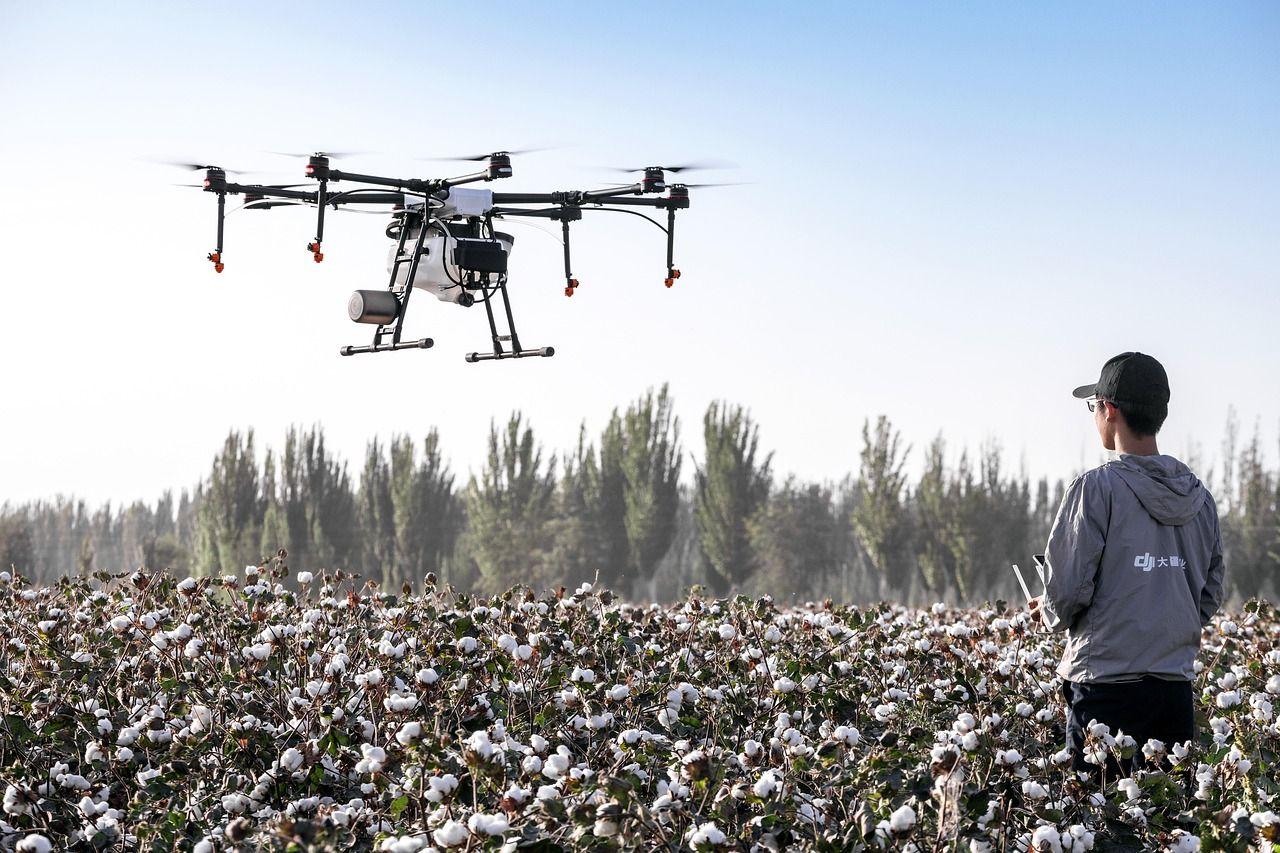
- Data-Driven Decision Making: Leveraging precision agriculture technologies like GPS mapping, remote sensing, and soil moisture probes to make informed decisions regarding planting density, irrigation scheduling, and nutrient application.
- Sustainable Practices: Implementing practices that enhance soil health, conserve water, and reduce reliance on synthetic inputs. This includes cover cropping, minimum tillage, and integrated nutrient management.
- Adaptive Management: Being prepared to adjust management strategies in response to changing weather patterns, pest outbreaks, and market demands.
- Continuous Learning: Staying abreast of the latest research, new varieties, and innovative technologies in cotton cultivation.
By meticulously managing critical growth factors, deploying advanced pest and disease control strategies, and embracing sustainable farming practices, growers can not only optimize their cotton yields but also contribute to a more resilient and environmentally responsible agricultural future. The cotton plant, a symbol of natural abundance, continues to challenge and reward those dedicated to its careful cultivation, proving its enduring value as a cornerstone of the global economy and textile industry.