The gentle rustle of leaves in a field, under a warm sun, heralds the beginning of an extraordinary journey. This journey belongs to the cotton plant, a leafy green shrub that has, for millennia, quietly transformed from a humble seed into one of the world's most vital natural fibres. From ancient civilisations to modern textile mills, the story of cotton is one of innovation, resilience, and profound global impact.
Often taken for granted, the cotton plant is a marvel of nature, providing not just the soft fibre we cherish but also a valuable food source. Understanding its intricate growth cycle and characteristics is key to appreciating the fabric of our lives and the dedication required to bring this versatile crop to market. Join us as we explore the remarkable life cycle of the cotton plant, tracing its path from a tiny seed to the fibre that clothes and comforts millions worldwide.
The Remarkable Anatomy of the Cotton Plant
At first glance, the cotton plant appears as a modest shrub, yet its structure and biological prowess are anything but ordinary. A close relative of the flamboyant hibiscus species, cotton (scientifically classified within the Gossypium genus) is a leafy, green annual shrub cultivated primarily for its fibre. There are an impressive 52 known species within this genus, each with its unique traits, but one stands out commercially: Gossypium hirsutum. This particular species, believed to have been first cultivated by the Mayan civilisation in Mexico, accounts for the vast majority of global cotton production due to its robust nature and high yield.
Typically grown commercially, the cotton plant reaches an average height of about 1.2 metres. Its distinctive foliage features broad, heart-shaped leaves, often displaying three to five prominent lobes and coarse veins. The plant develops a strong central stem, from which numerous branches extend, creating a bushy appearance. Beneath the soil, a crucial component of the cotton plant's survival is its taproot, which can delve to an impressive depth of 1.5 metres. This deep root system is vital, allowing the plant to access water and nutrients from deeper soil layers, contributing to its resilience in varying climatic conditions.
Beyond its physical stature, the very composition of the cotton fibre itself is fascinating. Each individual fibre, typically around 28mm in length, is made almost entirely of cellulose – a naturally occurring polymer. It possesses a slim, protective coating of wax and is remarkably thin and hollow, much like a tiny straw. This unique structure is what gives cotton its renowned absorbency, breathability, and strength, making it an ideal material for everything from clothing to medical supplies. For a deeper dive into the varieties and global impact, explore our related article: Unveiling the Cotton Plant: Life Cycle, Varieties, and Global Impact.
From Blossom to Boll: The Cotton Plant's Life Cycle
The journey of the cotton plant truly begins within the cottonseed. This tiny, unassuming package holds all the genetic information and essential parts – including two well-developed cotyledons – necessary for a new plant to emerge. It patiently awaits the right environmental cues: sufficient warmth, moisture, and aeration. Once these conditions are met, the germination process kicks off, laying the crucial groundwork for a vigorous and productive crop. This initial stage is the absolute foundation; a strong start directly correlates to maximum yields down the line.
Weeks after emergence, the plant enters its reproductive phase. Small, unopened flower buds, known as 'squares,' begin to develop. A few weeks later, these squares blossom into beautiful, creamy-white or yellow flowers, which are often short-lived. Following successful pollination, these delicate flowers drop, leaving behind a ripening seed pod. This pod gradually matures and swells, transforming into what we recognise as the cotton boll – the plant’s fruit.
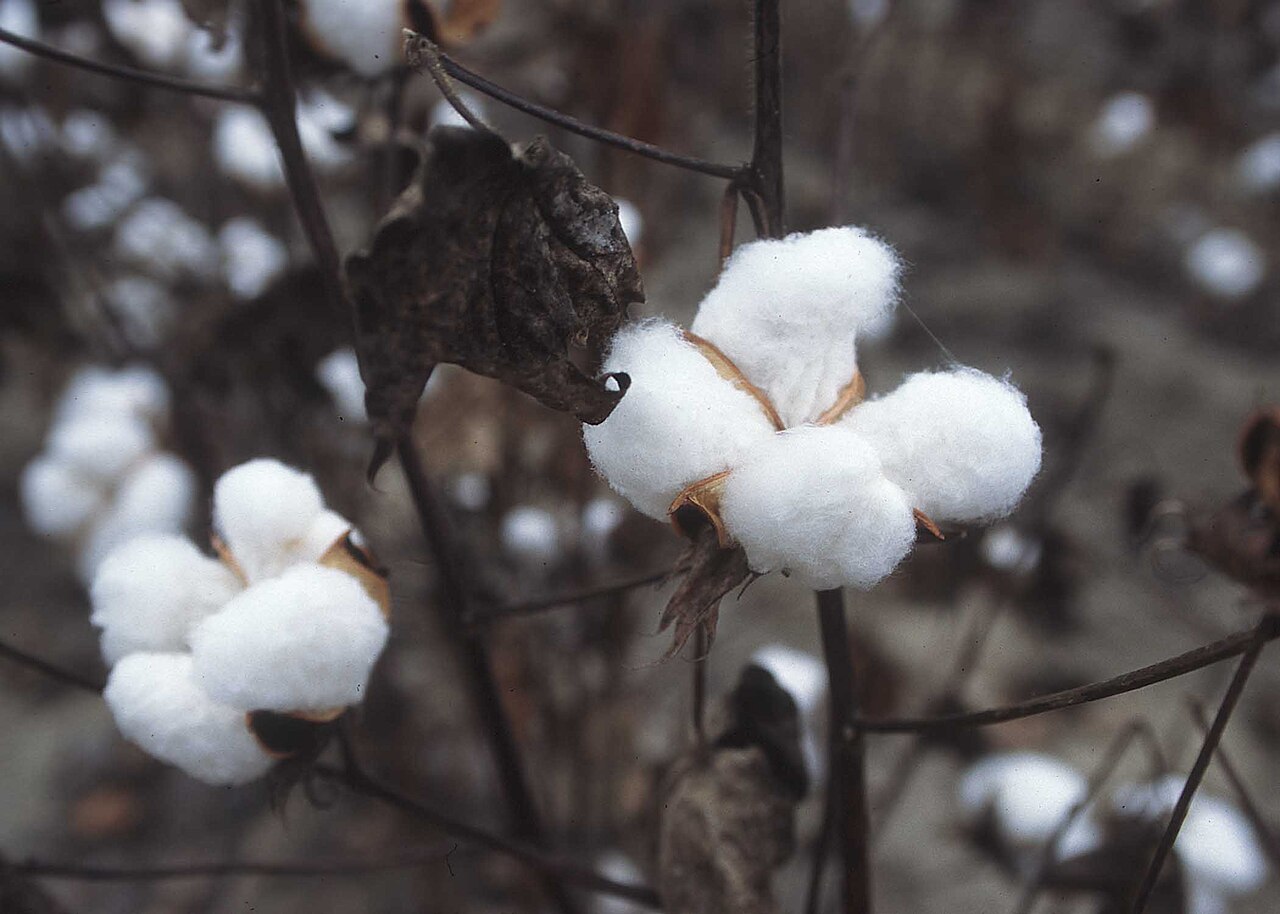
Contained within each cotton boll are typically 27 to 45 seeds. Attached to every single seed are an astonishing 10,000 to 20,000 tiny fibres. It is these countless fibres, tightly packed around the seeds, that collectively form the fluffy white mass we associate with cotton. As the boll ripens, it eventually splits open, exposing the mature, fluffy fibre, ready for harvest. This intricate dance of growth, flowering, and fruiting is a testament to the efficient natural design of the cotton plant.
Cultivating Success: Key Growth Factors and Management
The successful cultivation of the cotton plant is a testament to both nature's design and meticulous agricultural practices. Cotton thrives in specific climates, predominantly grown in regions between 45 degrees north and 35 degrees south of the equator, making it the most widely produced natural fibre globally. The growing season typically spans about six months, though this can vary by region. For instance, in Australia, soil preparation and planting occur between August and November, with harvesting taking place from March to June.
Temperature is perhaps the most critical environmental determinant for the cotton plant's development. Ideal conditions promote steady growth, but extremes can severely impede it. Cool temperatures, averaging below 15°C, or excessively hot temperatures, exceeding 36°C, can significantly delay crop development and reduce yields. Farmers meticulously monitor these conditions, often employing sophisticated weather tracking and irrigation systems to maintain an optimal environment.
However, the journey from seed to fibre is not without its challenges. Cotton plants are susceptible to a diverse range of threats, with approximately 30 species of insects capable of causing serious damage if left uncontrolled. Common pests in major growing regions include the notorious Helicoverpa caterpillar, aphids, thrips, mirids, white fly, and mealy bugs. Beyond pests, various diseases can also reduce productivity. While some highly severe diseases like bacterial blight and Texas root rot are not present in Australia, growers still contend with concerns such as black root rot, Fusarium wilt, Verticillium wilt, and Alternaria. To mitigate these risks and ensure a healthy crop, effective management strategies are paramount. Modern cotton farming often employs integrated pest management (IPM) techniques, combining biological, cultural, physical, and chemical tools to control pests and diseases sustainably.
Environmental factors, particularly during the early stages of growth, play a crucial role. Drought, excessive rain, or nutrient deficiencies can stunt development. Understanding these complex interactions is vital for farmers to implement sound management practices and achieve maximum yields. For expert tips on optimizing your harvest, check out: Optimizing Cotton Yields: Key Growth Factors & Pest Management.
Beyond the Field: Processing and Global Impact
Once the cotton plant has yielded its bounty and the bolls have fully matured and opened, the harvest begins. This stage marks the culmination of months of hard work and careful management. After the cotton is picked – a process increasingly mechanised in large-scale operations – it moves to the ginning stage. Ginning is a fundamental step that separates the valuable cotton fibre, known as lint, from the seeds and any remaining plant material. This crucial process transforms the raw, fluffy cotton into a cleaner, more usable form ready for spinning into yarn.
The economic contribution of the cotton plant is substantial and multifaceted. Cotton lint constitutes approximately 42% of the picked cotton by weight, yet it contributes a staggering 85% of the total income generated from a cotton crop. The remaining 15% of income comes from the cotton seeds. Far from being waste products, cotton seeds are highly valuable. They are crushed to produce cottonseed oil, a popular cooking oil, and the remaining meal is used as a high-protein animal feed, showcasing the plant’s dual role as both a fibre and food crop.
Globally, cotton stands as the most widely produced natural fibre, commanding about 31% of the world textile market. Its dominance is a testament to its inherent qualities – softness, breathability, durability, and versatility. From the clothes on our backs to household linens, medical bandages, and industrial fabrics, cotton’s influence is pervasive. Its journey from a simple seed in the earth to a fundamental component of our daily lives underscores its profound agricultural, economic, and cultural significance across the globe.
The journey of the cotton plant is a compelling narrative of nature's efficiency, agricultural dedication, and global interconnectedness. From the meticulous care taken during seed germination to the complex processes of cultivation, harvesting, and ginning, every stage plays a vital role in bringing this world-leading fibre to our homes. It reminds us that behind every soft t-shirt or crisp bedsheet lies a remarkable plant, sustained by farmers who navigate environmental challenges to deliver a product that has shaped human civilisation for millennia. As we continue to innovate in sustainable farming practices, the cotton plant's enduring legacy as a cornerstone of the global economy and a symbol of natural comfort is set to continue for generations to come.