Unveiling the Cotton Plant: A Global Fibre and Food Source
Often taken for granted, the cotton plant is a botanical marvel and a cornerstone of global industries. More than just the source of our favourite denim jeans or softest bedsheets, this remarkable plant provides both a vital natural fibre and valuable food products. A leafy, green shrub related to the vibrant hibiscus family, cotton's journey from a tiny seed to a fluffy boll represents a complex interplay of biology, climate, and human ingenuity, profoundly impacting economies and daily lives across the globe.
The Marvelous Cotton Plant: A Botanical Overview
At first glance, the cotton plant might seem like any other shrub, but its unique characteristics are what make it so valuable. Typically cultivated as an annual, this resilient plant reaches an average height of about 1.2 metres. Its distinctive broad, heart-shaped leaves are adorned with coarse veins and usually feature three to five lobes. From a single main central stem, numerous branches extend, supporting the plant's developing bolls. A strong and deep taproot, often extending up to 1.5 metres into the soil, anchors the plant and efficiently draws essential nutrients and water.
The botanical diversity of cotton is impressive. Belonging to the *Gossypium* genus, there are up to 52 known species. Among these, *Gossypium hirsutum* stands out as the most commercially cultivated variety worldwide. This species, originally developed by the ancient Mayan civilisation in Mexico, forms the backbone of modern cotton production due to its robust nature and high fibre yield.
Geographically, the cotton plant thrives in specific climatic zones. It is primarily grown in regions between 45 degrees north and 35 degrees south of the equator, a band that encompasses many of the world's sunniest and warmest areas. This preference for particular latitudes underscores the critical role of temperature and sunlight in its successful cultivation.
From Seed to Boll: The Cotton Plant's Life Cycle Explained
The journey of cotton begins with a single seed, a tiny capsule holding the promise of a new plant. Within the protective seedcoat lies all the essential components of a mature plant, patiently awaiting the right environmental cues. For successful germination and seedling emergence, the soil must provide adequate moisture and warmth. This foundational stage is crucial for establishing a vigorous crop capable of achieving maximum yields.
Once germinated, the cotton plant rapidly enters its vegetative growth phase. Within several weeks of emergence, small, triangular structures known as "squares" begin to develop. These are, in fact, the plant's flower buds. A few weeks later, these squares burst open to reveal delicate, creamy-white or yellow flowers. These beautiful blooms typically last only a day before they are pollinated and then drop off, leaving behind a small, immature seed pod.
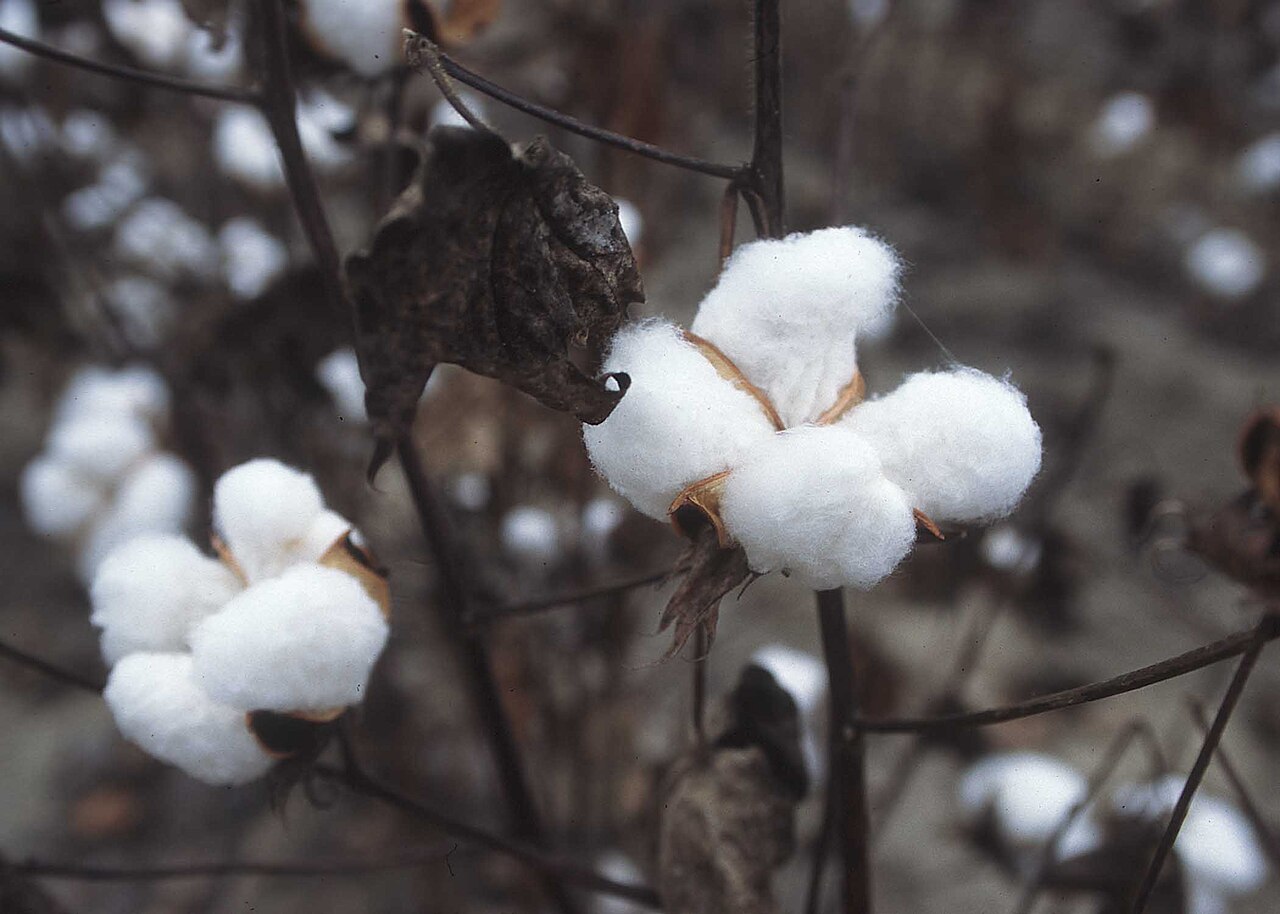
This seed pod then embarks on a remarkable transformation, ripening into what we know as the cotton boll – the fruit of the cotton plant. Within each boll, multiple small capsules contain the cotton seeds, each surrounded by a mass of soft, downy fibres. A single cotton boll typically houses between 27 to 45 seeds, and astonishingly, each seed is adorned with 10,000 to 20,000 tiny fibres, each about 28mm in length. These fibres, known as lint, are primarily composed of cellulose, featuring a slim, protective coating of wax and possessing a hollow, straw-like structure, which contributes to their excellent absorbency and breathability.
The growing season for cotton can vary significantly by region, but a typical cycle, such as in Australia, spans approximately six months. Soil preparation and planting usually occur between August and November, with picking commencing between March and June. Once the bolls mature and split open, revealing their fluffy white contents, the crop is ready for harvest. Post-picking, the raw cotton undergoes a vital process called ginning, which efficiently separates the valuable cotton fibre (lint) from the seeds, preparing it for further processing into textiles.
Global Reach and Economic Significance of Cotton
The economic footprint of the cotton plant is immense. It holds the prestigious title of the most widely produced natural fibre globally, commanding approximately 31% of the world textile market. This dominance is a testament to its versatility, comfort, and durability, making it a preferred choice for clothing, home furnishings, and industrial products.
The economic contribution of a cotton crop extends far beyond its lint. While the cotton lint, which constitutes about 42% of the picked cotton by weight, is the primary moneymaker, generating around 85% of the total income, the remaining 15% comes from the valuable cottonseed. Cottonseed is a crucial byproduct, processed to extract cottonseed oil, widely used for human consumption in cooking and food manufacturing. The leftover meal is a protein-rich supplement for livestock feed, and even the hulls find use in various agricultural applications. This dual-product nature solidifies cotton's role as both a significant fibre and food crop, providing substantial revenue streams for farmers and contributing to food security.
Cultivating Cotton: Key Factors and Challenges
Successful cotton plant cultivation is a delicate balance, heavily influenced by environmental conditions and constant vigilance against threats. One of the most critical factors is temperature. The rate of cotton plant growth is highly sensitive; cool temperatures (below 15°C average daily temperature) can significantly delay development, while excessively hot conditions (above 36°C) can also stress the plant and impede its progress. Growers often rely on sophisticated monitoring and climate data to optimize planting and management decisions.
Beyond temperature, farmers face a relentless battle against a myriad of pests and diseases. The cotton plant is susceptible to attacks from approximately 30 species of insects, which, if left uncontrolled, can devastate a crop. In regions like Australia, common culprits include the destructive Helicoverpa caterpillar, along with aphids, thrips, mirids, whiteflies, and mealybugs. Effective pest management is crucial, often involving integrated pest management (IPM) strategies that combine biological, cultural, and chemical controls to minimize crop damage while promoting environmental sustainability.
Diseases also pose a significant threat to cotton productivity. While some highly serious diseases, such as bacterial blight, Texas root rot, cotton leaf curl disease, blue disease, and exotic strains of Fusarium wilt and Verticillium wilt, are not present in all cotton-growing regions, others are ongoing concerns. Black root rot, Fusarium wilt, Verticillium wilt, and Alternaria are among the diseases that currently challenge cotton farmers, requiring careful monitoring, disease-resistant varieties, and appropriate fungicidal treatments to mitigate their impact. Early stage environmental factors, including soil health and water availability, also play a crucial role, determining the plant's initial vigor and resilience to these challenges.
Conclusion
The cotton plant is far more than just a source of fibre; it is a complex organism with a fascinating life cycle and profound global significance. From its deep roots and heart-shaped leaves to the transformation of a delicate flower into a fibre-filled boll, every stage of its growth is a testament to natural efficiency. As the world's leading natural fibre and a vital food crop, cotton continues to clothe, feed, and sustain millions, driving economies and fostering innovation in agriculture. Understanding its life cycle, diverse varieties, and the challenges of its cultivation highlights the dedication of farmers and researchers who work tirelessly to bring this extraordinary plant's bounty to the world.